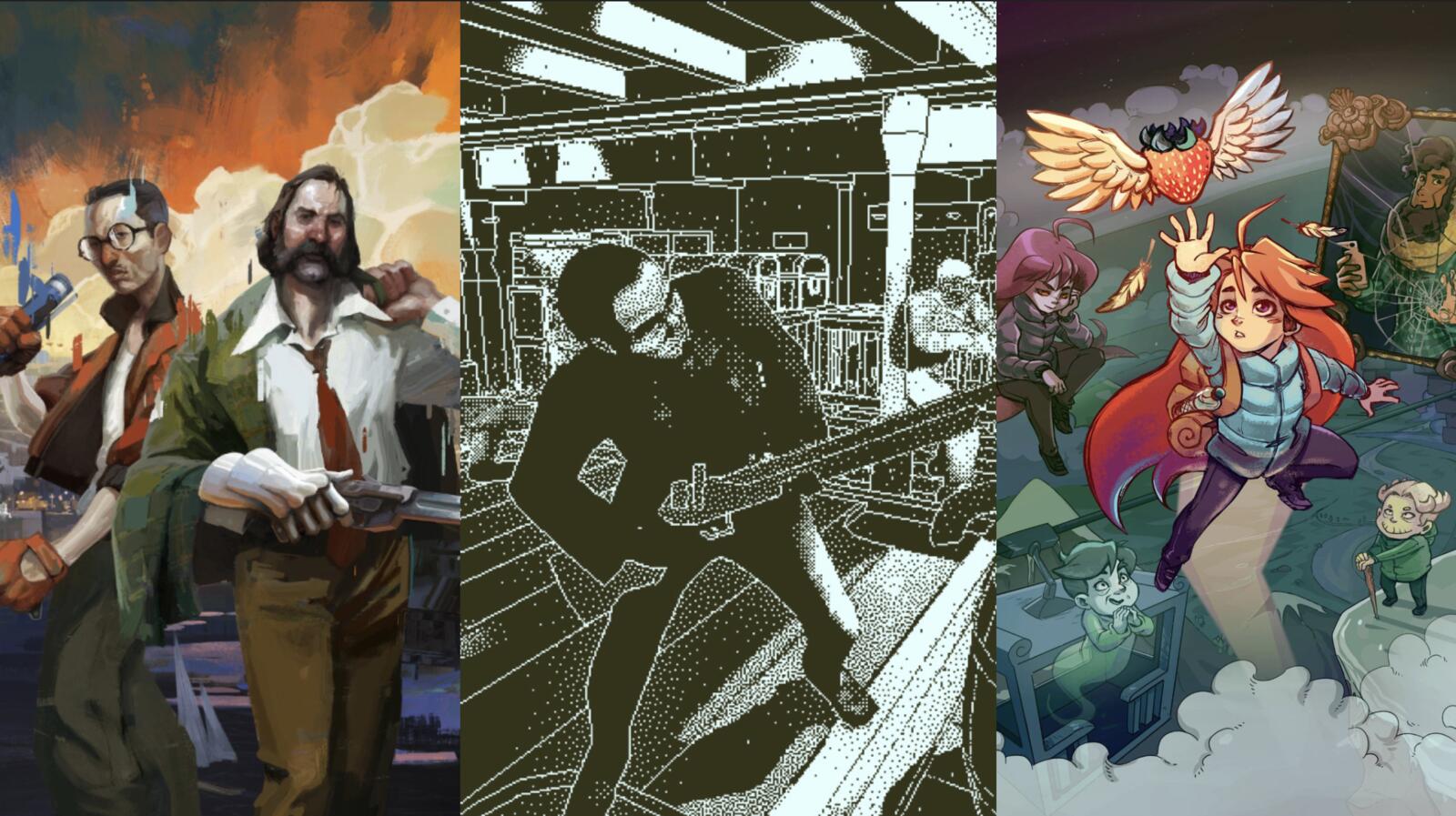
Narrative-driven games aren’t new, but what they’re doing now is. We’ve gone way past “games can tell stories too” and into the deep end where games are bending narrative structure, experimenting with player psychology, and reshaping what storytelling even means.
Storytelling Isn’t Just in the Script Anymore
Traditional storytelling leans hard on plot and dialogue. Games? They’ve added player agency, environmental design, sound cues, and even mechanics themselves as narrative devices. The way you move through a space, the choice to reload a weapon, or how a menu reacts to you – all of that tells a story now. ThinkInsideorReturn of the Obra Dinn– minimal dialogue, maximal narrative punch.
Mechanics As Metaphor
This is the level that nobody talks about deeply enough. When gameplay systemsthemselvesreinforce narrative themes, you’re in the presence of something special. InCeleste, the brutal climbing mechanics are an allegory for mental health. InPapers, Please, the repetitive, soul-sucking bureaucracy becomes a stand-in for moral erosion. It’s not just what the game says – it’s how it makes youfeelwhile playing it that tells the story.
The Psychology of Choice
Games have always had choices. But now they’re laced with moral ambiguity and delayed consequences. Think about howThe Witcher 3makes you second-guess your decisions hours after the fact, or howDisco Elysiumshoves philosophy into your face through internal monologues that battle each other for dominance. Modern games aren’t about choosing A or B – they’re about making youdoubtA and B while wondering if C was ever an option.
Time as a Narrative Tool
Some games have turned time into a weapon for storytelling.Outer Wildsloops a dying solar system every 22 minutes, forcing players to learn not just with knowledge, but with experience.Twelve Minutestraps you in a traumatic loop that re-contextualizes every interaction. Time isn’t just a mechanic – it’s part of the narrative delivery system.
Procedural Narrative and Emergent Chaos
Here’s the fun part: games can make up stories on the fly. Procedural narrative systems are now being used to generate content so rich it feels authored. InDwarf FortressorRimWorld, the chaos of systems colliding creates unique player-driven sagas. These aren’t pre-written tales. These are stories born out of entropy, and they’re often better than anything scripted.
Games Are the Only Medium That Can Do This
Books won’t let you push their characters off cliffs. Movies don’t pause to let you question morality through sandbox experimentation. Games are the only medium that cantestyou while it tells you a story. And as the narrative bar keeps rising, you’re going to want access to the latest titles without breaking your wallet. That’s why scoring aSteam e-gift cardon digital marketplaces like Enebanow is smarter than waiting for your emotional breakdown to go on sale.
Storytelling Is Now Playable
We’re no longer debating whether games tell good stories. We’re now living in a time where gamesdefinewhat the future of storytelling looks like. And while you’re deciding whether to romance the AI or side with the morally bankrupt rebellion, just remember: the story only happens becauseyoumade it happen.
Now go start your next arc.